
LED video wall guides
This guide section explains the practical choices behind indoor LED video walls, from pixel pitch to content layout and room conditions. It is written for teams comparing options for boardrooms, retail floors, churches, studios and event venues across South Africa.
What this guide section covers
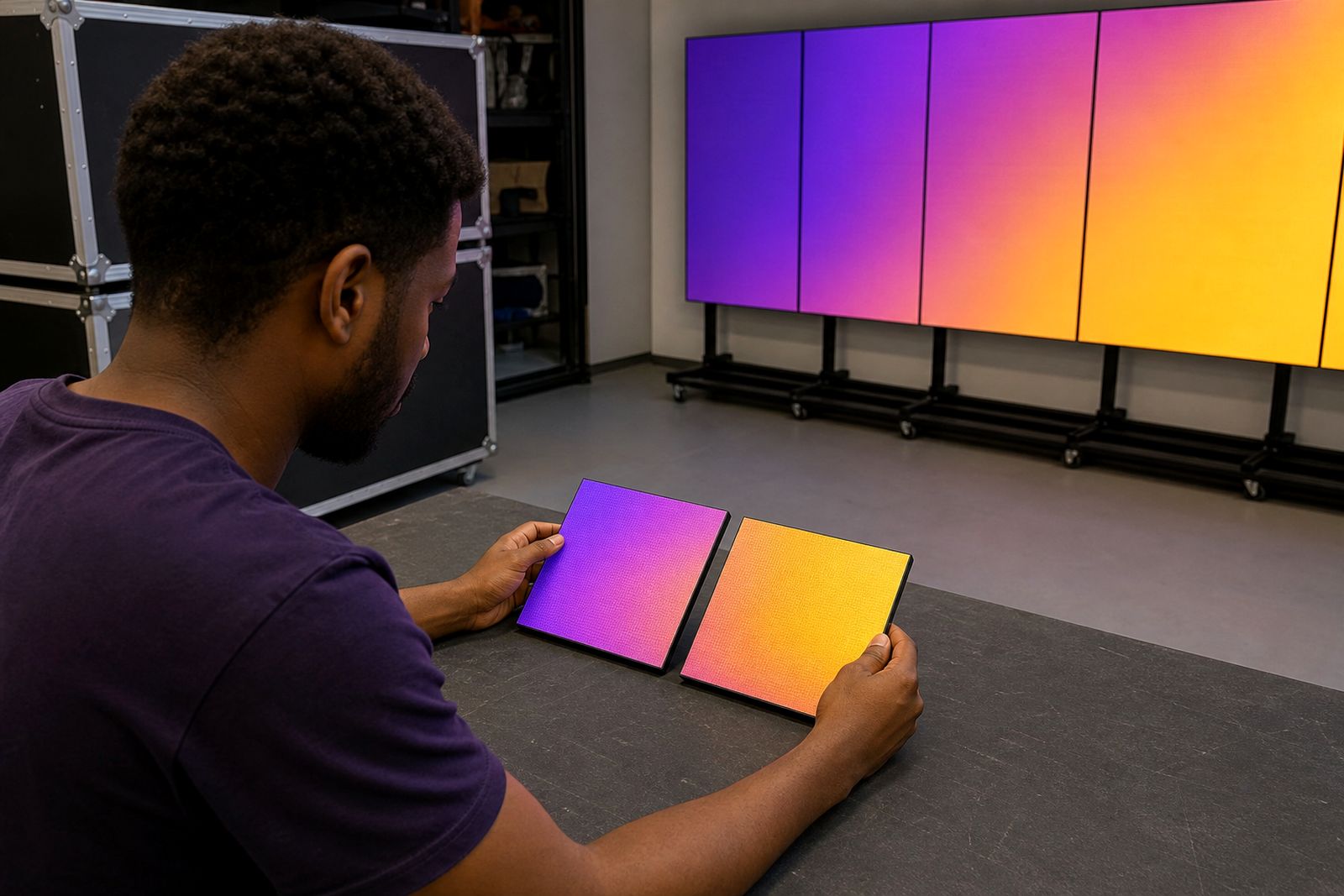
These guides focus on indoor LED video walls and the decisions that affect picture quality in daily use. That includes panel pitch, viewing distance, brightness, content size, wall dimensions, control equipment and the way a room is used from morning meetings to evening services or live shows.
You will also find help for common comparisons, especially when a team is deciding between a fine pitch wall, a standard indoor panel layout or a rental-ready system that may move between venues. The aim is not theory for its own sake, it is to help you match the wall to the room and the content you need to show.
Start with the room before the screen spec
An LED wall should be chosen around the actual space, not only around a preferred panel size. A boardroom in Randburg with viewers sitting two to four metres from the wall needs a different pitch from a church stage where the first row is much further back. Ceiling height, ambient light, wall width and camera use all matter.
- Short viewing distances usually point to finer pixel pitch.
- Large open venues can often use a wider pitch without the image looking coarse.
- Windows, shopfront glass and bright mall lighting affect how much image brightness is needed.
- If the wall will appear on camera, moire and refresh behaviour need attention early.
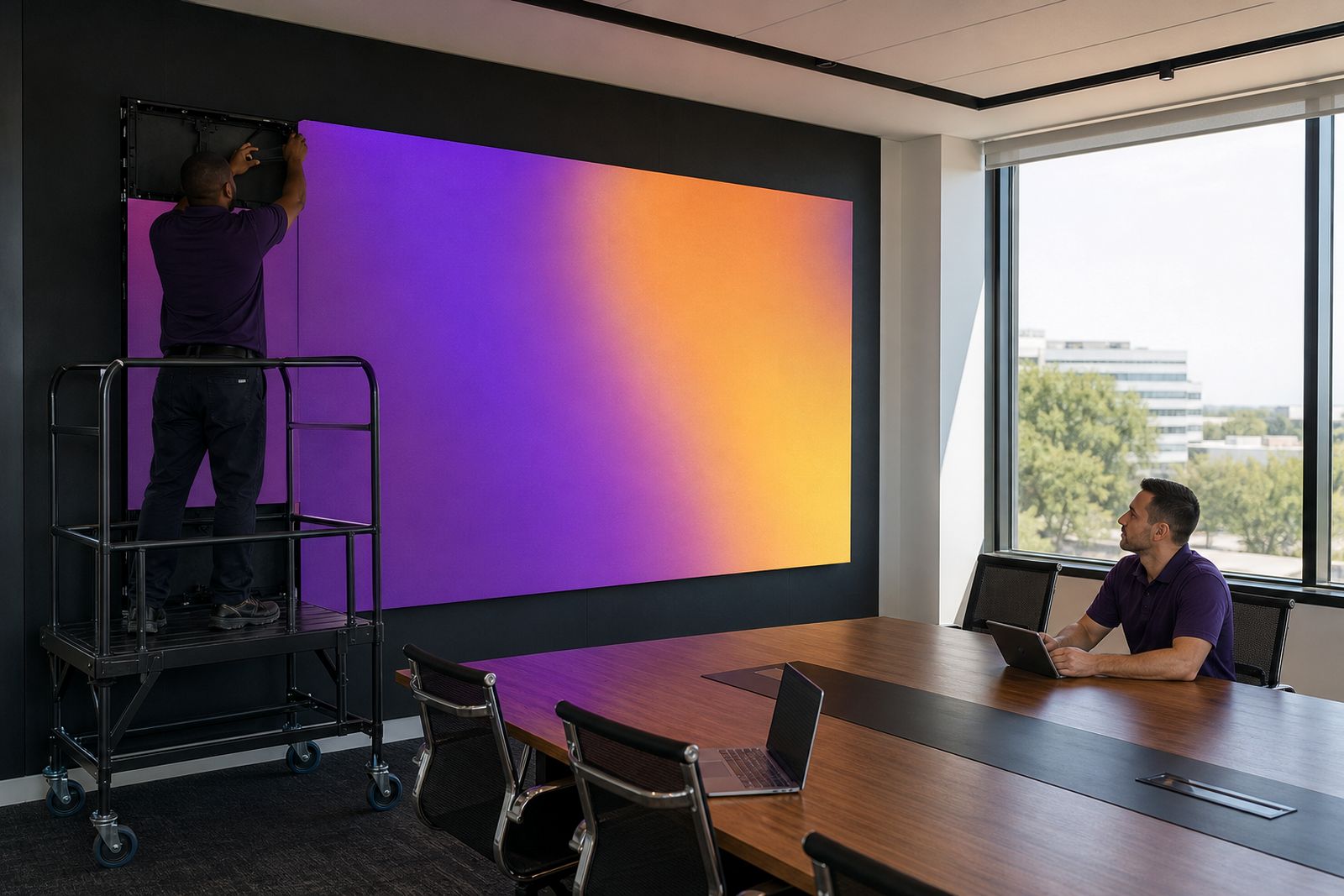
Room surveys often uncover small practical issues as well, such as an aircon bulkhead, a narrow passage for bringing panels in, or a wall surface that needs a proper frame rather than direct mounting.
Pixel pitch, in plain terms
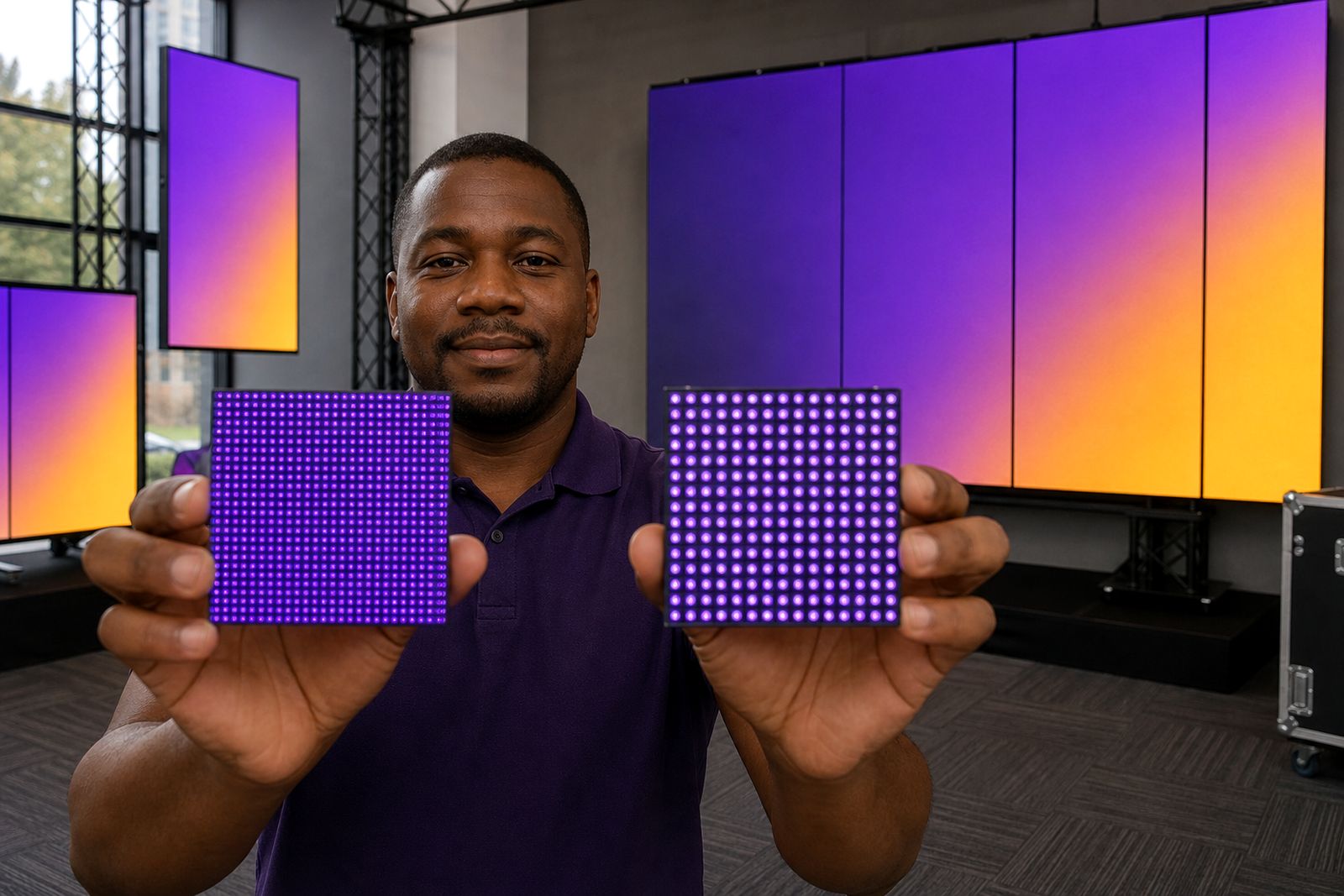
Pixel pitch is the distance between LED pixels, measured in millimetres. Smaller numbers produce a tighter image, which matters when people stand or sit close to the screen. In a conference room this affects text sharpness, spreadsheet lines and the edges of logos. In retail it affects how clean product photography looks at browsing distance.
Choosing pitch is usually a balance between viewing distance, budget and wall size. A finer pitch can make a smaller wall look more polished up close, while a standard indoor panel can suit a larger feature wall where most viewers are further back.
- Fine pitch panels suit boardrooms, reception areas and premium retail displays.
- Standard indoor panels suit larger walls in stores, churches and multipurpose venues.
- Rental-ready panels suit event work where quick assembly and repeat handling matter.
Brightness and content are linked
Brightness should never be chosen in isolation. A wall showing dark cinematic content in a dim church auditorium is not judged the same way as a retail wall running high-contrast specials under mall lighting. The content itself can make an acceptable wall look poor if the files are badly scaled, stretched or built for the wrong canvas size.
Content planning matters just as much as the hardware. A wall with a non-standard shape may need custom layouts for presentations, menus or promotional loops. If the source content was designed for a television screen and then forced across a much wider LED wall, the result can look awkward or soft.
- Presentation text needs enough pixel density to stay legible from the nearest seats.
- Promotional graphics need the correct canvas size from the start.
- Live camera feeds benefit from careful processor setup and sensible scaling.
- Mixed-use venues usually need more than one content preset.
A practical comparison for common indoor setups
Most indoor projects fall into a few broad patterns. This is where a quick comparison helps narrow the shortlist before detailed wall drawings are done.
- Boardroom or conference room: finer pitch, close viewing, clean text and charts, tidy wall integration.
- Retail store or mall display: moderate to fine pitch, stronger brightness for ambient light, bold promotional content.
- Church or auditorium: larger wall area, balanced pitch for congregational viewing, input handling for cameras and lyrics.
- Club, venue or event use: rental-ready cabinets, frequent assembly, fast locking systems and flexible processor routing.
- Studio backdrop: finer pitch, camera-aware setup, consistent image surface and controlled reflections.
If the same venue has daytime presentations and evening entertainment, the processor and content workflow become more important than many buyers expect. One wall can serve both jobs, but only if the signal chain has been planned properly.
How these guides help you narrow the shortlist
Each guide in this section deals with one decision at a time so you can compare options without getting lost in spec sheets. One page looks closely at pixel pitch, another compares LED walls with projectors or tiled displays, and others connect the wall choice to the way the room is used in practice.
For teams planning a wall in Gauteng or elsewhere in South Africa, these notes are a good starting point before a formal site survey. If you already know the room size, viewing distance and the main type of content, send those details through our contact form and the next step can be based on the actual application rather than guesswork.
What our LED Video Walls customers say
Verified Google reviews
Questions we get asked
What is the most important guide to read first?
Start with the pixel pitch guide if you are still weighing up viewing distance and image sharpness. If the debate is between display types rather than panel pitch, read the comparison between LED walls, projectors and tiled screens first.
Do these guides apply to rental walls as well as permanent installs?
Yes. The same core questions apply, but rental-ready systems place more emphasis on cabinet handling, repeat assembly, processor flexibility and the realities of live venue work.
Can these guides help with a church, mall or boardroom project outside Gauteng?
Yes. The planning points are relevant across all provinces, especially for indoor venues where viewing distance, ambient light and content type shape the right LED wall specification.
Tell us about the job
Send sizes, materials and where you are through our contact form, and we will come back with the practical options.
Open the contact form