
About LEDPanel Video
LEDPanel Video is the Randburg team behind indoor LED video walls for business, retail and venue spaces across South Africa. We plan the wall, match the panel type to the room, install the system and stay involved for support when the screen is in daily use.
Indoor LED walls are our daily work
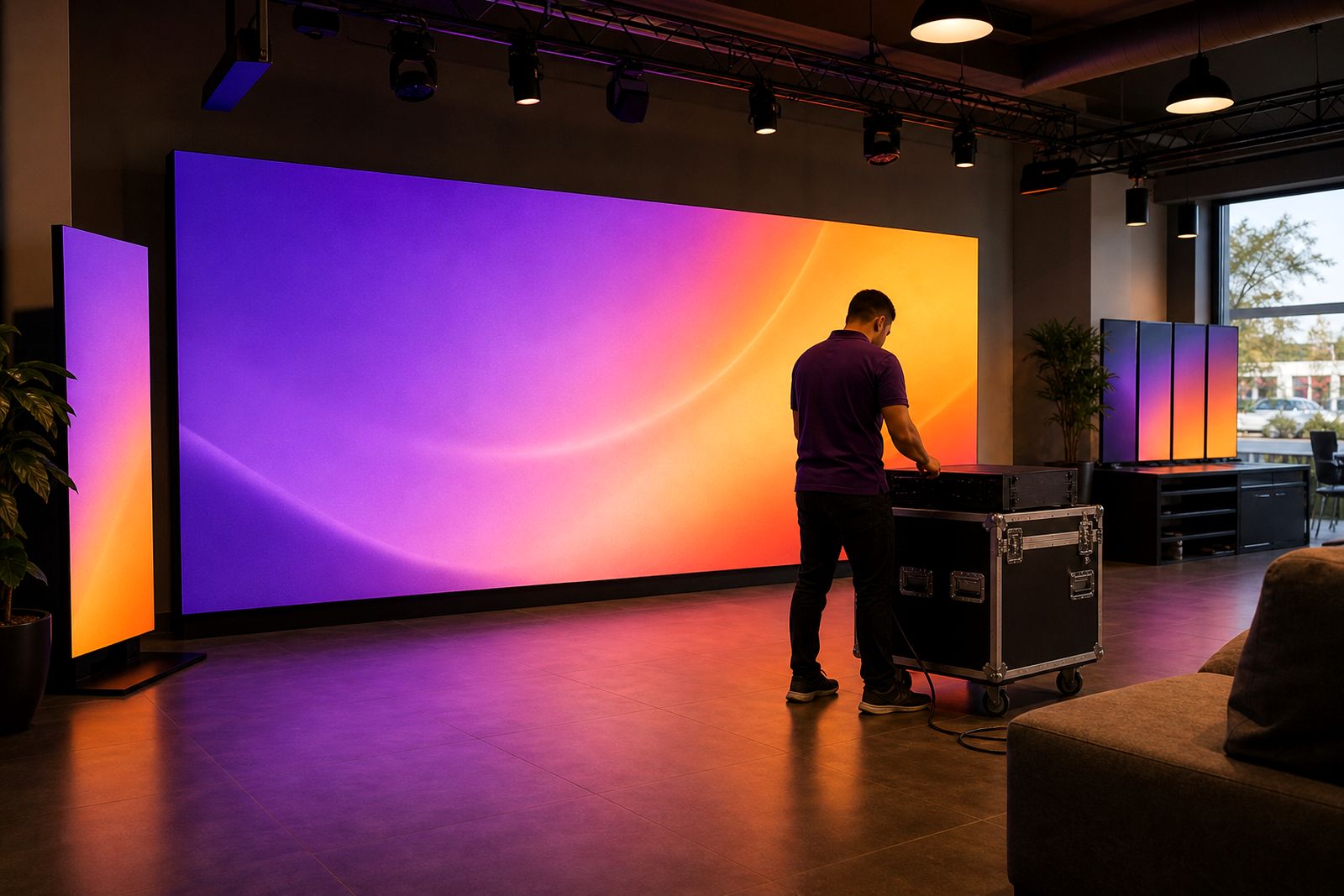
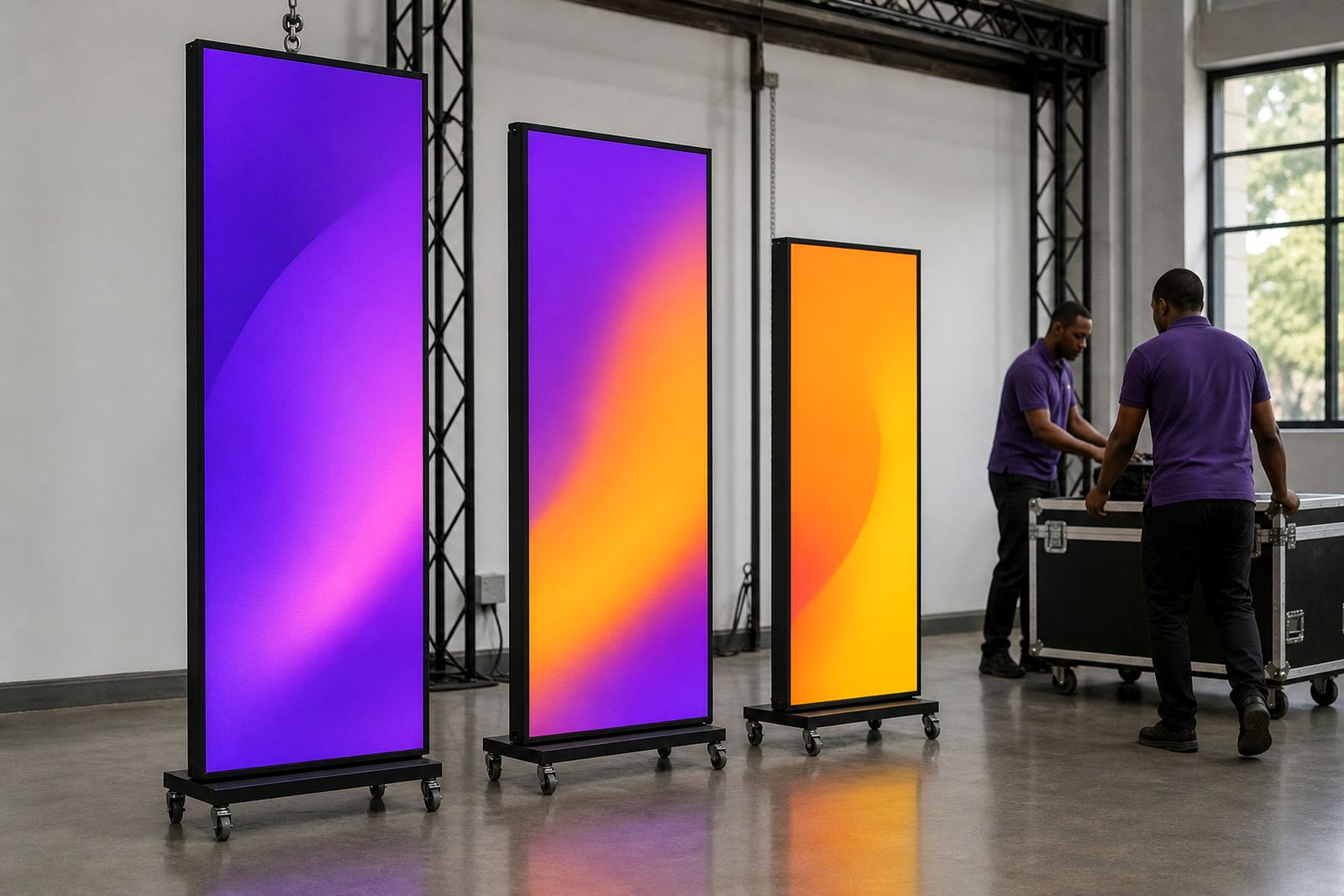
Our work is centred on indoor LED video wall panels and the equipment that makes them run properly in real rooms. That includes panel selection, processors and controllers, mounting frames, cable planning, content playback setup and final commissioning on site. We handle permanent installations for meeting spaces and public interiors, and we also supply rental-ready indoor panels for venues that need faster assembly and pack-down.
The scope stays focused. We do not sell outdoor billboards, televisions or projectors, and we do not produce video content. Clients bring the room, the screen goal and the material they want to display, then our team builds the display system around that brief. In practice that means dealing with viewing distance, ambient light, wall condition, access routes and the day to day use of the room, not just the panel spec sheet.
- Permanent indoor LED walls for boardrooms, conference rooms and reception areas
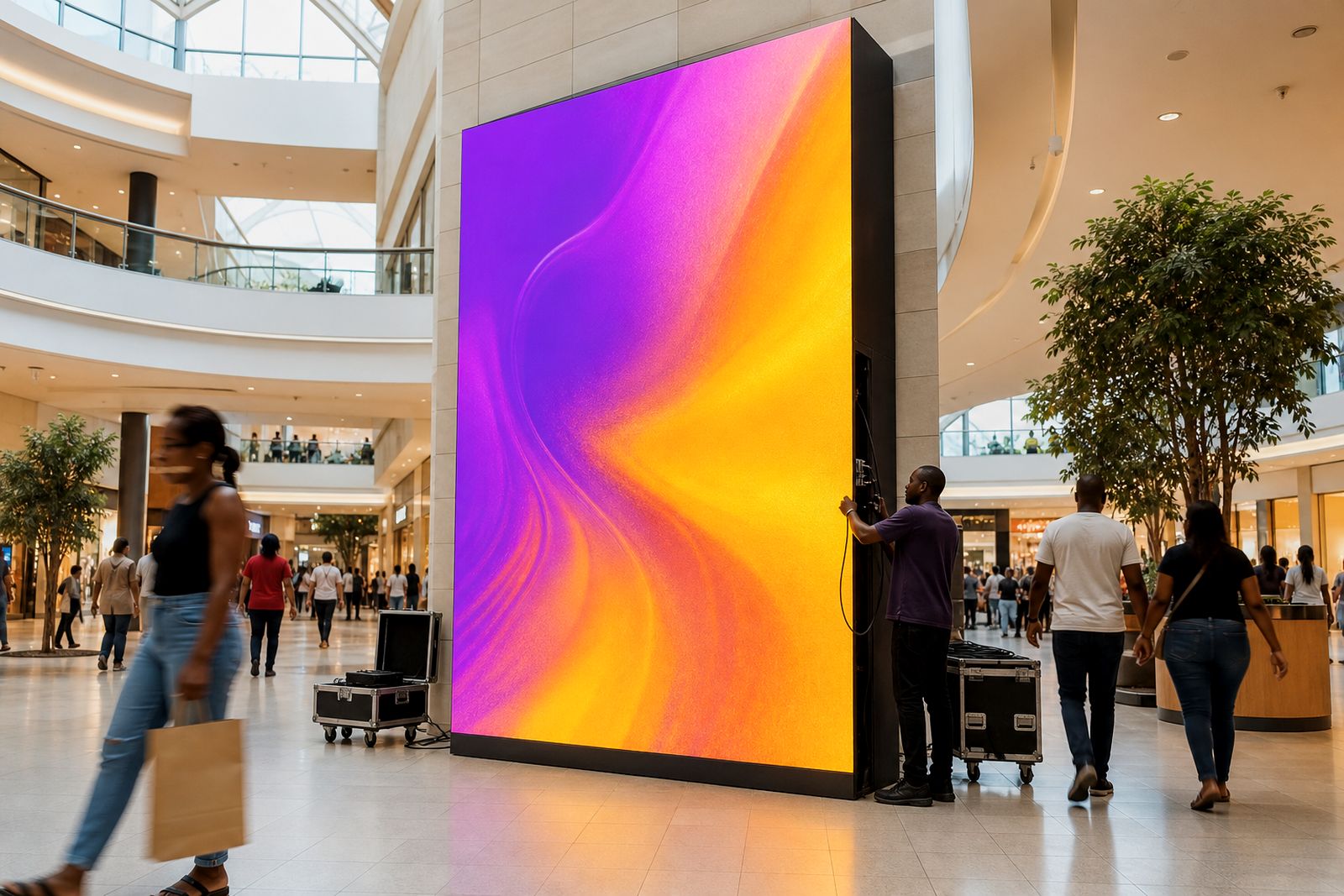
- Display systems for retail stores, malls and showroom environments
- Indoor walls for churches, auditoriums, clubs, studios and event venues
- Support for processors, control setup, playback devices and mounted structures
The rooms and clients we work with
Most projects start with a practical question: what must people in this room actually see, and from how far away? A boardroom wall needs sharp text and spreadsheet detail at close range. A mall feature wall usually leans harder on movement, brightness balance and broad visibility from passing foot traffic. In a church or auditorium the challenge is often scale, sight lines and clean integration with existing audio visual control.
We work with facility teams, office fit-out contractors, event organisers, technical managers, retail operations staff and venue owners. Some clients arrive with dimensions, drawings and power positions already mapped out. Others only know the wall they have available and the kind of impression they want to make. Both are workable. The job is to turn that brief into a screen system that fits the room without awkward joins, poor viewing angles or service access problems later.
- Corporate spaces where close viewing and presentation clarity matter
- Retail interiors where colour, motion and dwell time support footfall
- Studios and venues that need dependable indoor display hardware
- Church and auditorium settings where scale and legibility must carry across the room
How the team is set up
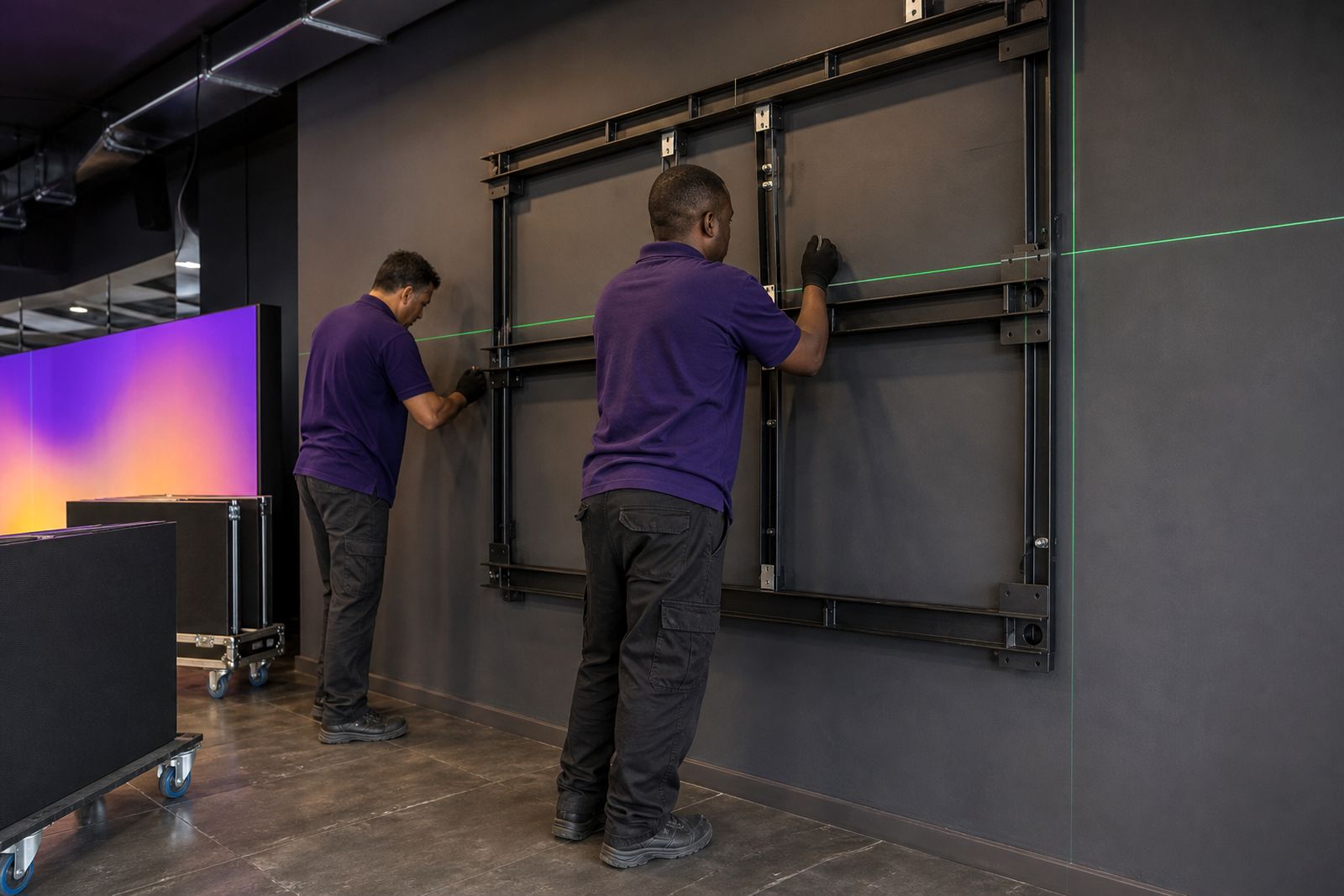
Projects move through a small chain of specialist roles rather than being handed over blindly from one stage to the next. The sales lead handles the initial brief and helps define the wall purpose, panel class and likely control path. The system planner turns room dimensions and usage into a panel layout, processor requirement and mounting approach. The installation crew manages handling, structure alignment, cabling and on-site finishing. After handover, the support technician deals with calibration checks, fault finding and service visits where needed.
Because indoor LED walls combine structure, signal flow and visual performance, the handoff between roles matters. Our office in Randburg coordinates projects across Gauteng and the rest of the country, while installations are carried out where the wall is going to live. For larger rooms, there is usually a site visit before final sign-off so no one is guessing about access lifts, stair turns, wall flatness or the position of existing power and data points.
Our Randburg office and the way we work on site
Our base is in Randburg, which keeps us close to Johannesburg boardrooms, retail centres and event spaces while still allowing us to ship and install across every province. The office handles planning, drawings, scheduling and support coordination. Equipment preparation and pre-delivery checks are done before the wall travels, so the site team arrives with the panel map, processor settings and mounting plan already thought through.
On site, the work is methodical. Access control, mall trading hours, church service schedules and conference bookings all affect how an installation is planned. Indoor walls often go into finished interiors where dust, noise and access times need proper management. Coastal humidity can also influence cabinet handling and storage conditions, and old buildings sometimes present uneven wall surfaces that need a neater mounting solution than the drawings first suggested. It sounds minor, but these details decide whether the final screen looks clean or a bit off.
From first brief to handover
A job usually starts when a client sends room details through our contact form. Useful information includes wall width and height, viewing distance, the main type of content, whether the installation is permanent or rental-based, and any access restrictions at the building. From there, the project is scoped around pixel pitch, aspect ratio, mounting method and control requirements.
Once the layout is settled, the team prepares the system around the actual room rather than a generic screen size. That can include frame design, processor mapping, cable routes, source inputs and where the operator will control content. Installation follows the plan, with panel alignment, signal checks and image tuning done on site before handover. The operator or facilities contact is then shown the essential controls so the wall can be used with confidence from day one.
- Initial brief and room information review
- Wall layout, pixel pitch and processor planning
- Mounting structure and installation method selection
- On-site build, configuration, testing and operator handover
Aftercare that matches real use
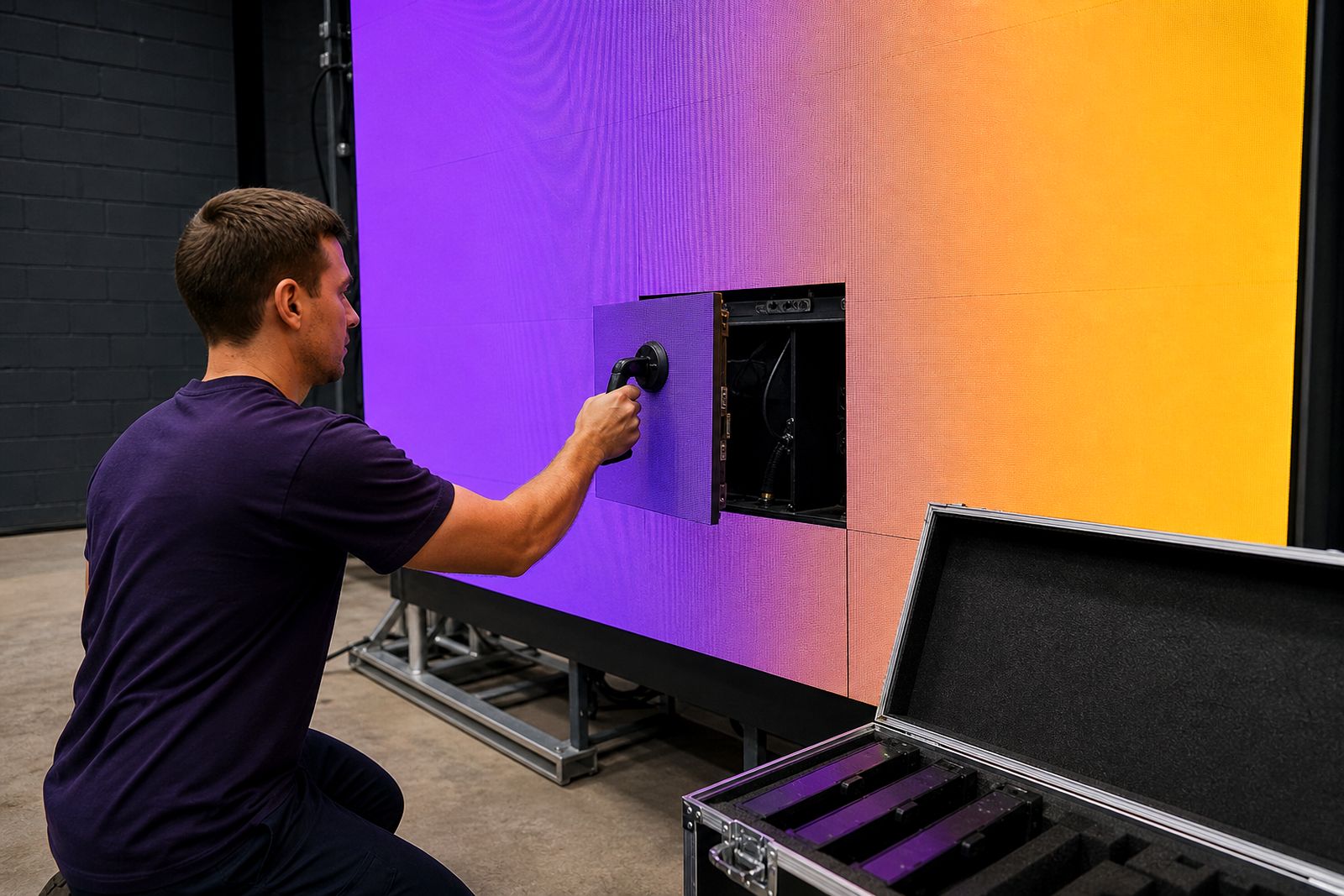
Support matters most after the launch photos are done and the wall is part of the normal week. A boardroom screen may run presentations all day, while a venue wall might only work hard over selected events and then stand idle between bookings. Those two patterns need different service attention. We help clients with operating checks, processor settings, panel issues, replacement planning where required and general fault finding tied to the installed system.
Some calls turn out to be source or control issues rather than a panel fault, and that distinction saves time on site. We also keep an eye on practical things such as ventilation around the installation, access for future service and whether the content format suits the wall shape. The aim is not flashy language, just a screen that keeps doing its job in the room it was built for. There are jobs where a tiny alignment point or one loose signal link causes the whole issue, so careful support still counts a lot.
Questions we get asked
Do you only work in Johannesburg?
No. The team is based in Randburg and works across Gauteng, with shipping, installation and support for indoor LED video walls in every province.
Can LEDPanel Video help with both the screen and the control equipment?
Yes. We supply and install indoor LED panels together with processors, controllers, mounting frames and content playback hardware where the project needs it.
Do you handle outdoor screens or create video content?
No. Our scope is indoor LED video wall systems. We do not sell outdoor billboards, televisions or projectors, and we do not produce video content.
Also worth a look
Tell us about the job
Send sizes, materials and where you are through our contact form, and we will come back with the practical options.
Open the contact form